How to Buy Beats Online Safely: Avoiding Scams in 2026
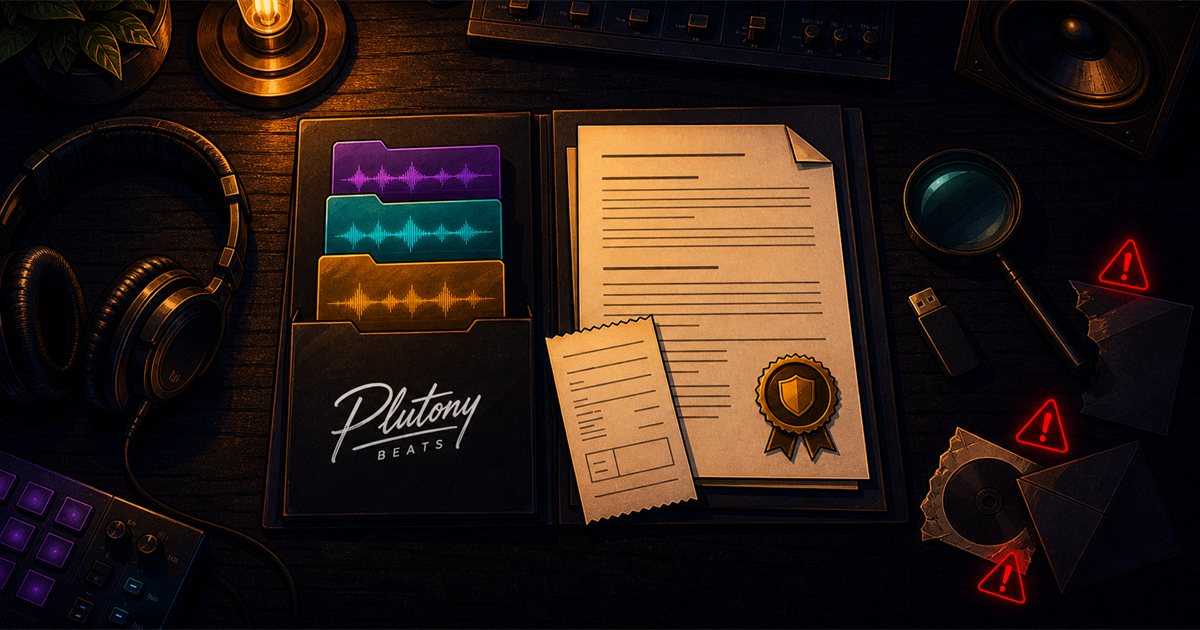
Buying beats online is normal in 2026. Thousands of artists license instrumentals from BeatStars, Airbit, Traktrain, YouTube, and independent producer stores every day. Most purchases are simple: choose a license, pay, receive the files, record the song.
The risk is not that online beat buying is unsafe by default. The risk is buying from someone who cannot prove ownership, cannot deliver a real license, or is selling the same "exclusive" to multiple artists. A little checking before payment can save you from losing money, losing a release, or fighting a copyright claim later.
On the producer side, these are the buyer questions I want artists to ask before money changes hands. A serious seller should not be offended by basic questions about rights, files, payment, or proof. That is part of doing music business cleanly.
Common Beat-Selling Scams
The most damaging scam is the duplicated exclusive. A producer sells exclusive rights to one artist, changes the title slightly, and keeps selling the same beat to others. Sometimes the beat is re-uploaded with tiny mix changes. Sometimes it appears on a different store under a different name.
Another scam is stolen beat resale. Someone downloads or rips another producer's beat, uploads it as their own, and sells licenses they have no right to sell. The artist receives files and a fake PDF, but the seller never owned the instrumental.
A third pattern is the disappearing producer. The seller takes payment through DMs, sends partial files or nothing at all, then stops responding. This is especially risky with exclusive deals because the artist needs ongoing proof, trackouts, contract clarity, and sometimes beat removal.
Fake licensing PDFs are another problem. A document can look official while missing the terms that actually matter: legal names, date, beat title, rights granted, territory, duration, payment amount, publishing split, Content ID rule, and signatures or platform-generated proof.
This is not only theoretical. In a 2023 r/trapproduction thread, a producer described a buyer purchasing a beat, filing a PayPal chargeback, then uploading songs while claiming he produced the instrumental himself. In a 2024 r/FL_Studio thread, multiple producers warned that suspicious exclusive-rights DMs and off-platform payment pressure are common. Those are anecdotal reports, not court cases, but they show the exact proof problem this article is trying to prevent: when money, files, and rights are separated from a real order trail, everyone is easier to exploit.
9-Point Checklist Before You Pay
Before buying a beat, especially an exclusive, check these nine items:
- Producer identity. Do they have a consistent name across store, YouTube, Instagram, TikTok, BeatStars, Airbit, or website?
- Catalog history. Does the account have older uploads, real activity, and a coherent sound, or did it appear yesterday?
- Ownership signals. Can they provide trackouts, project details, or proof that they made the beat?
- License preview. Can you read the license before paying?
- Clear file list. Does the offer state MP3, WAV, trackouts, stems, or project files?
- Usage rights. Are streams, sales, performances, videos, monetization, sync, and Content ID addressed?
- Payment protection. Are you paying through a marketplace, card, PayPal Goods and Services, or another method with a dispute path?
- Delivery system. Will files arrive automatically through a platform or documented email?
- Post-sale contact. Is there a reliable way to reach the producer if a distributor asks questions?
If the seller cannot answer basic rights questions, do not buy the beat.
Where It Is Safer to Buy Beats
Established marketplaces are safer because they provide payment processing, file delivery, license templates, order records, and seller profiles. BeatStars, Airbit, and Traktrain are not perfect, but they create a paper trail. Verified profiles, badges, older reviews, and connected social accounts help, but they do not replace reading the license.
Buying direct from a producer can also be safe when the producer has a real website, clear contract, proper checkout, and consistent public identity. Direct stores are common for serious producers because they control branding and customer relationships.
Be careful with Instagram DMs only, Telegram offers, random file links, and "exclusive today only" pressure. A real producer can still use DMs to communicate, but the final purchase should produce a receipt, license, and files you can store with your release.
How to Verify an Exclusive Deal
Exclusive rights require more care than a lease because more money and control are involved. Before paying, ask for the exact license terms. The contract should say whether the producer can keep selling the beat, whether previous leases remain valid, what rights transfer, what publishing split applies, and whether the beat will be removed from stores.
A legitimate exclusive contract should include producer legal name or business name, artist legal name or business name, beat title and identifying details, date of sale, price paid, rights granted, territory and duration, master and publishing terms, sample responsibility, Content ID rules, delivery file list, and de-listing or future sale language.
After purchase, confirm the beat is removed or marked sold if the contract promises that. Save screenshots of the listing, checkout page, receipt, license, and messages. Keep the full file package in your release folder.
One important reality: exclusivity usually starts from the date you buy it. Artists who leased the beat before you may still have valid rights. That is not automatically a scam. It becomes a problem when the producer promises no one has ever licensed it, or keeps selling new licenses after your exclusive agreement.
Payment Methods That Protect You
Marketplace checkout, credit cards, and PayPal Goods and Services usually give you more protection than irreversible transfers. Friends-and-family payments, crypto, wire transfers, and some instant payment apps can be hard to dispute.
Protection does not mean you can ignore the license. A payment dispute may help if files are never delivered, but it will not magically fix a vague contract after your song is already released. Treat payment protection as the backup plan, not the whole safety system.
For exclusives, match the payment record to the agreement. The buyer name, seller name, beat title, payment amount, and date should line up across the invoice, license, and messages. If those records contradict each other, clean it up before release day.
For small leases, the risk is lower because automated marketplace delivery gives you proof. For exclusive rights, avoid casual payment methods unless you have a signed agreement and trust the producer. If the seller insists on a no-protection method and refuses a contract, walk away.
What to Do If You Got Scammed
First, collect evidence: receipts, messages, screenshots, license PDFs, file links, upload dates, and store pages. Do not rely on memory.
Second, contact the seller once with a clear request: delivery, refund, corrected license, or proof of rights. Keep the tone professional.
Third, open a dispute through the payment provider or marketplace if the seller does not respond. If the beat was stolen, report the listing to the platform with evidence.
Fourth, pause the release if rights are unclear. It is better to delay a song than to build a campaign on a beat you may not be allowed to use.
Red Flags Checklist
Do not buy if you see several of these at once: exclusive rights offered for an unrealistically low price, no license before payment, no real producer identity, only irreversible payment accepted, refusal to provide trackouts for an exclusive, the beat appearing under multiple names from different sellers, stolen artwork or suspicious branding, no explanation of publishing or Content ID, pressure to pay immediately, or a generic PDF with no beat title or buyer name.
Buy Like a Professional
Buying beats online safely is mostly about documentation. The beat can be amazing, but if the rights are vague, the release is fragile. A professional purchase gives you three things: the audio files, the license, and a proof trail.
If you are still learning the rights side, read Beat Licensing 101 and Copyright and Sampling. If you are choosing between price tiers, use How Much Does a Beat Cost in 2026? before buying.
Every Plutony Beats purchase is meant to leave you with a beat page, a documented license tier, delivered files, a payment record, and a real contact path if a distributor or collaborator asks questions later. If any store cannot give you those basics, slow down before you pay. Start here when you want a safer buying path: browse verified beats.
FAQ
How can I tell if a beat producer is legit?
Look for a consistent name across platforms, older uploads, real catalog history, license previews, connected socials, and a payment path that creates receipts. A legit producer can explain what you are buying.
What should an exclusive beat contract include?
It should include buyer and seller names, beat title, date, price, rights granted, territory, duration, publishing terms, Content ID rules, file delivery list, sample responsibility, and whether future sales stop.
What payment method is safest for buying beats?
Marketplace checkout, credit cards, and PayPal Goods and Services usually give more buyer protection than friends-and-family payments, crypto, wires, or irreversible instant transfers.
What do I do if I bought a stolen beat?
Save all evidence, pause the release, contact the seller once, open a marketplace or payment dispute, and report the listing to the platform. If the song is already out, talk to a music lawyer before making public accusations.
Is BeatStars safe to buy from?
BeatStars is generally safer than a random DM because it creates order records, licenses, delivery history, and seller profiles. You still need to read the license and verify the producer, especially for exclusives.
Found your sound?
Browse premium beats crafted for artists like you.
Tags
Related Posts
How Much Does a Beat Cost in 2026? Real Pricing Breakdown
Beat prices in 2026: real numbers from $25 leases to $5,000 exclusives, plus 7 factors that change the price and how to spot a bad deal.
Free Beats vs Paid Beats: The Real Difference (And When Free Costs You)
Are free beats really free? When you can use them safely, when they will cost you, and how a smart hybrid strategy keeps your releases clean.
MP3 vs WAV vs Trackouts: Which Beat Files Should You Buy?
MP3, WAV, or trackouts — which beat files should you actually buy? A simple decision guide based on what you'll release and who will mix it.